
Why Pure Linen Clothes for Women Are the Best Summer Style
As temperatures rise, the savvy woman doesn’t dress for survival—she dresses for ease. Among the sea of breathable summer clothes, one fabric consistently rises above the rest: pure linen. It moves with you, breathes with you, and looks effortlessly elevated whether you’re navigating a heatwave or a boardroom. This guide explores why linen remains the gold standard for refined, sustainable summer style.
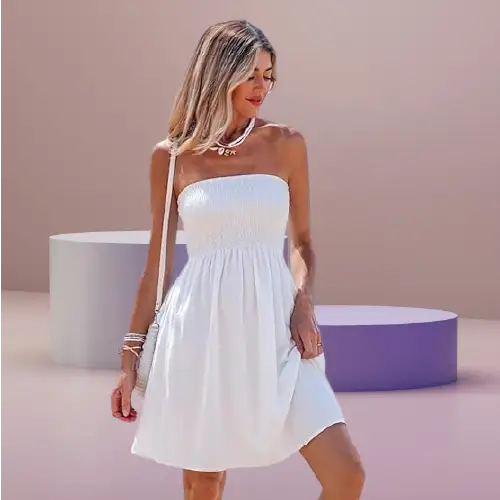
Why Linen Dresses Are the Summer Staple
The Science of Comfort
Linen’s reputation for feeling cool isn’t based on marketing, but rather on fiber science. Linen fibers are naturally hollow, allowing continuous air circulation against the skin. This structure makes linen up to 20% more breathable than cotton, and its moisture-wicking ability—about 20% of its own weight—means that sweat is quickly absorbed and evaporated rather than trapped by the body.
This is the core answer to why linen is best for hot weather: it doesn’t just feel light, it actively regulates temperature. Unlike synthetic fabrics that trap heat and humidity, linen’s loose weave promotes airflow, keeping you noticeably cooler in 85°F-plus conditions. For anyone building a wardrobe of breathable summer clothes, linen isn’t just an option—it’s the benchmark every other fabric is measured against.
This is the core answer to why linen is best for hot weather: it doesn’t just feel light, it actively regulates temperature. Unlike synthetic fabrics that trap heat and humidity, linen’s loose weave promotes airflow, keeping you noticeably cooler in 85°F-plus conditions. For anyone building a wardrobe of breathable summer clothes, linen isn’t just an option—it’s the benchmark every other fabric is measured against.
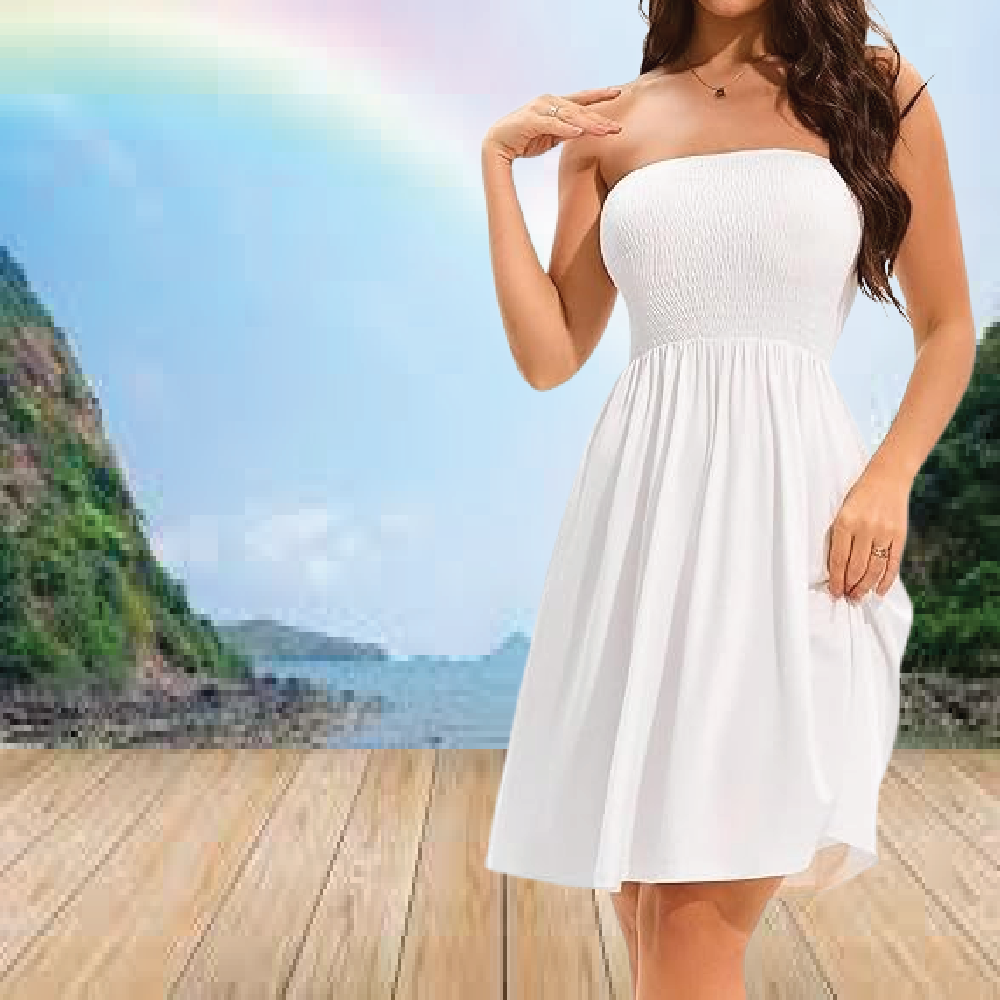
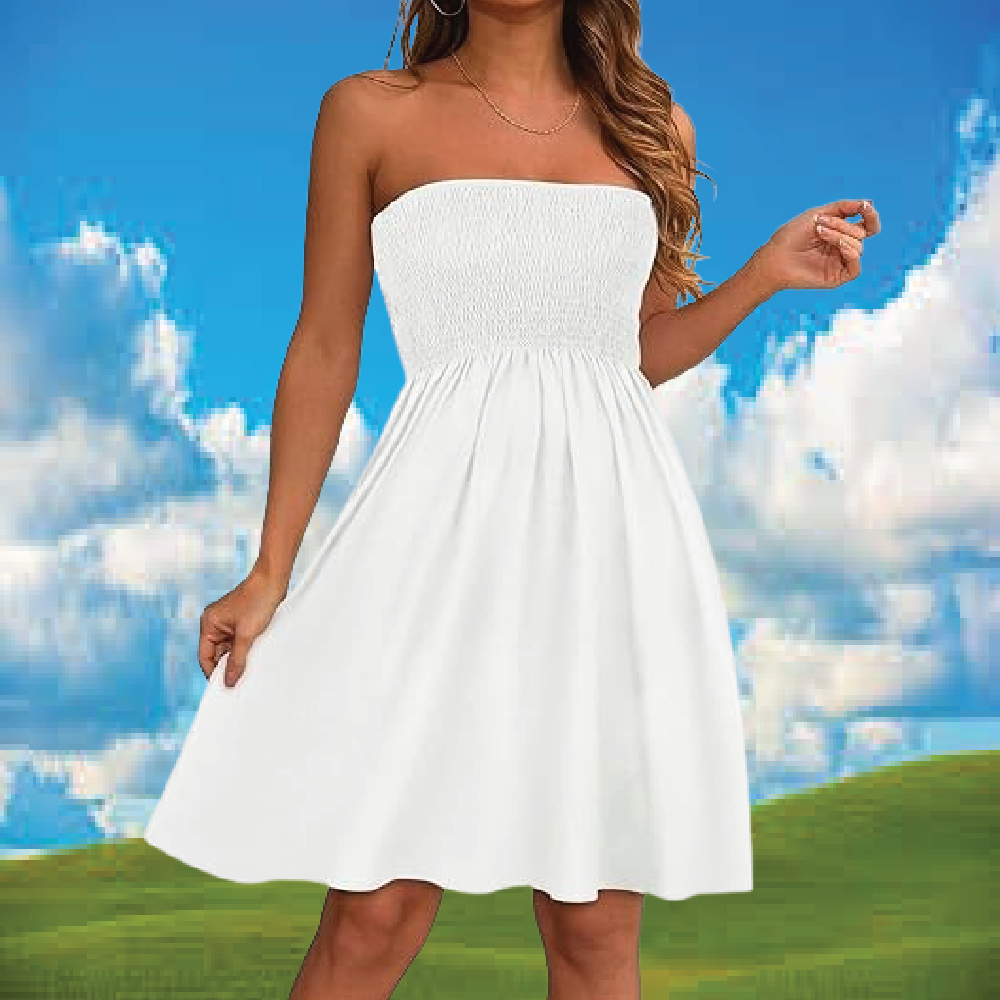
Why Linen Dresses Are the Summer Staple
The Science of Comfort
Linen’s reputation for feeling cool isn’t based on marketing, but rather on fiber science. Linen fibers are naturally hollow, allowing continuous air circulation against the skin. This structure makes linen up to 20% more breathable than cotton, and its moisture-wicking ability—about 20% of its own weight—means that sweat is quickly absorbed and evaporated rather than trapped by the body.
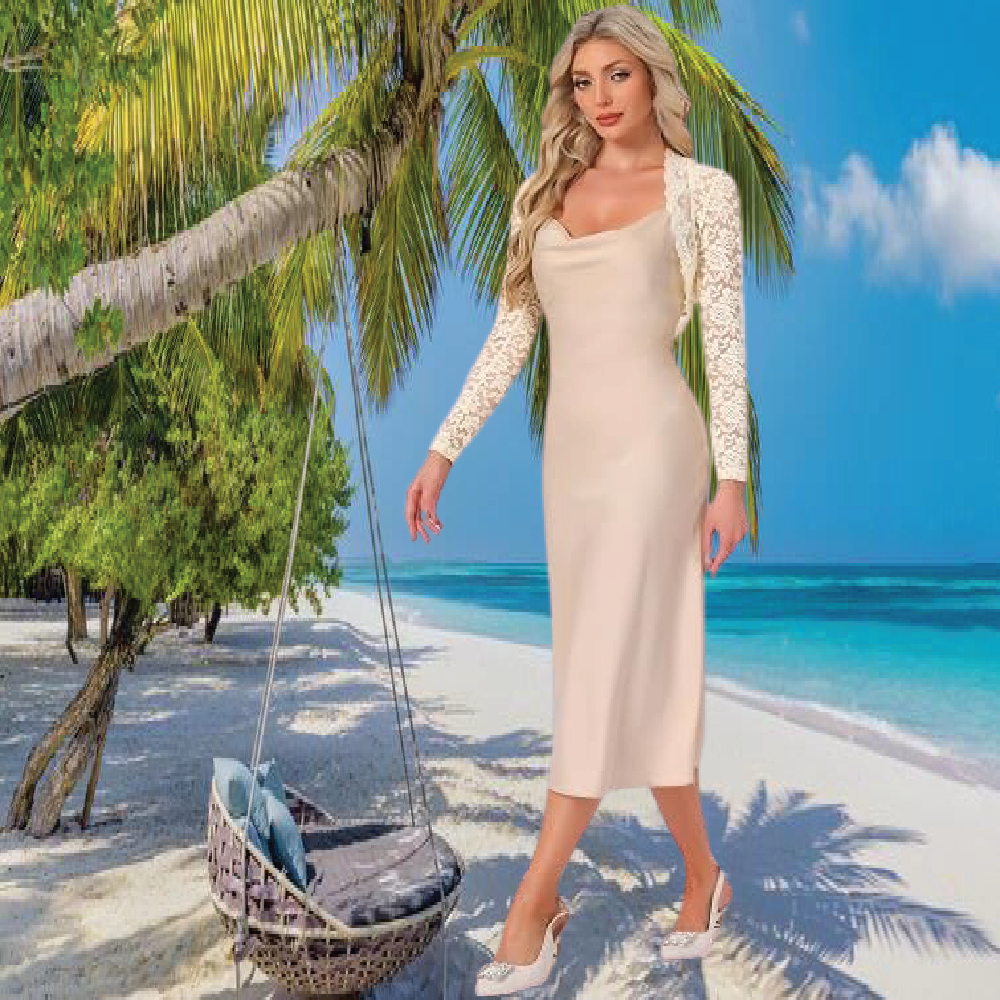
Versatile Elegance
Linen’s true strength lies in its adaptability. A tailored linen shirt or trouser set transitions effortlessly into professional settings, while the same pieces, styled with sandals or relaxed layering, become weekend-ready in seconds. If you’re wondering how to style linen clothes for the office, the key is structure—crisp linen blazers, straight-leg trousers, and clean shirting read as polished, not casual. Swap blazers for woven totes and minimal jewelry, and the same garments shift seamlessly into off-duty ease, making linen one of the most quietly adaptable fabrics in any wardrobe.
Sustainable Longevity
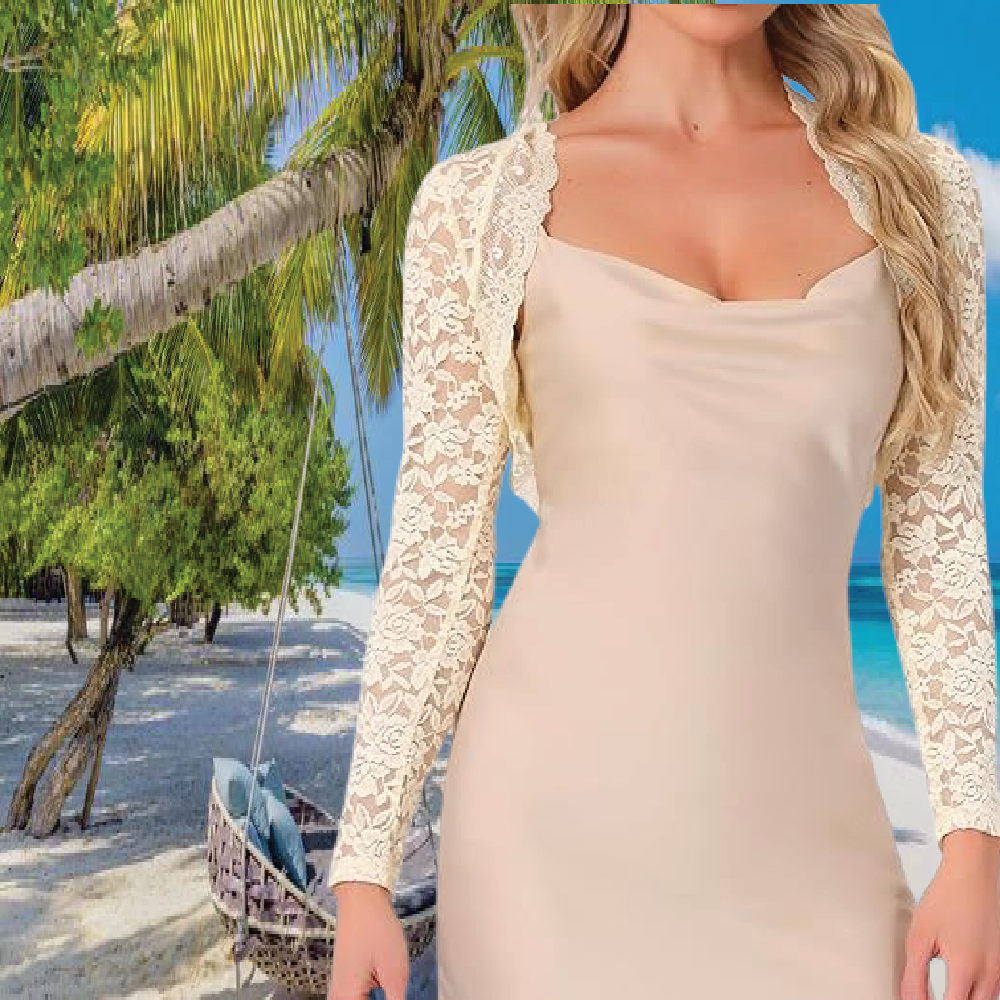
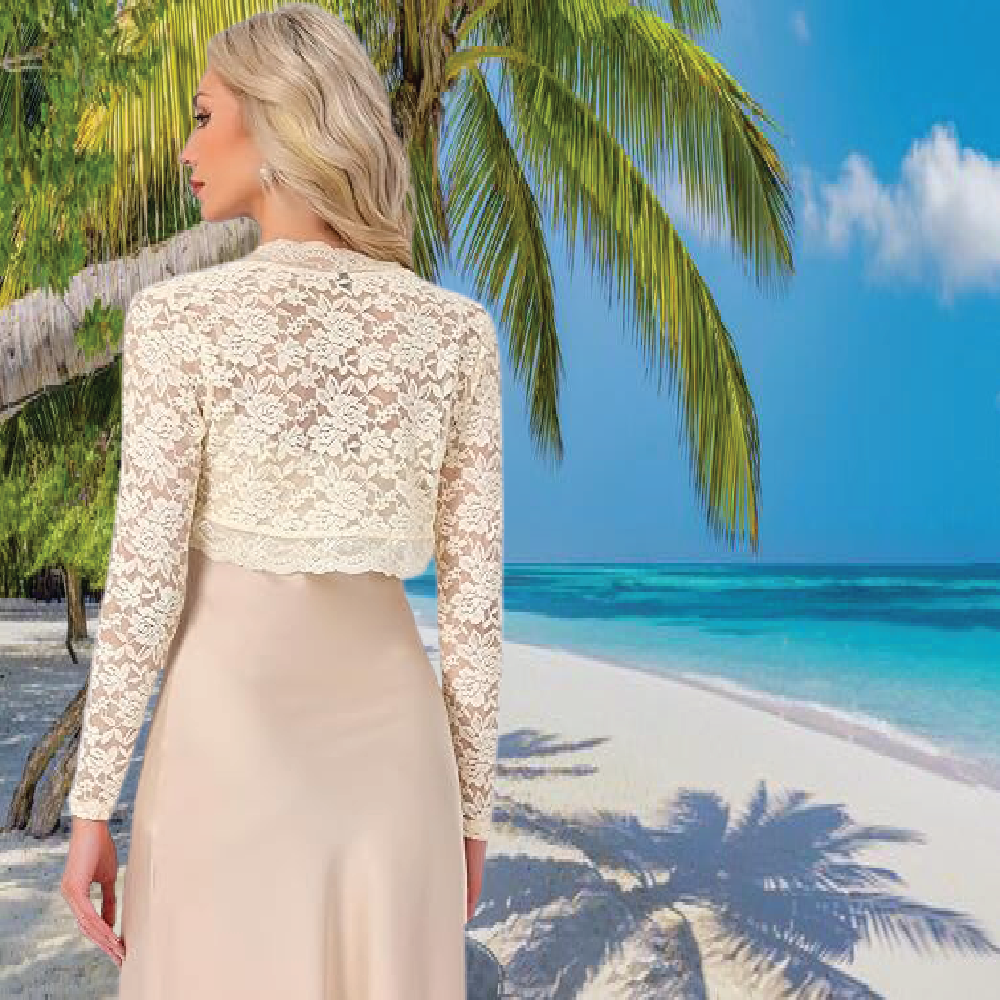
Sustainable linen is unique in the fashion world because it is made from hemp. Growing hemp requires significantly less water and pesticides than growing cotton, and it also has minimal plant waste. But sustainability doesn’t just depend on the source—it also depends on its lifespan. Linen clothing is extremely durable, and its softness and weave often improve with each wash. A well-made linen garment can be an essential part of your wardrobe for years, resisting the rapid wear and tear of synthetic fabrics. Choosing linen means choosing fewer, higher-quality garments—a silent but powerful form of sustainable fashion.
The Advantages (Pros & Cons)
Linen’s enduring appeal lies in its unique combination of performance and aesthetics:
- Superior breathability, making it ideal for breathable summer dresses in high temperatures.
- Natural moisture-wicking properties that keep skin dry and comfortable throughout the day.
- Hypoallergenic qualities, making it suitable for sensitive skin and reducing irritation.
- Exceptional durability, with fibers that become softer and more comfortable after each wash.
- Timeless aesthetic that conveys understated luxury and effortless elegance.
- Natural antibacterial properties that help reduce odor during extended wear.
- Lightweight feel without sacrificing structure, allowing garments to maintain a refined silhouette.
High-quality linen pieces elevate everyday dressing, offering a quiet luxury that aligns with modern minimalist fashion trends. Unlike fast fashion alternatives, linen communicates intention, quality, and longevity.
The Reality of Linen
Linen wrinkles—this is often cited as a drawback, but in reality, it is part of its charm. The natural creasing reflects authenticity and signals the use of pure, high-quality fibers. In luxury fashion, these soft wrinkles are not imperfections but markers of relaxed sophistication. Rather than resisting this characteristic, modern styling embraces it as part of linen’s effortless appeal.
Assessing Fabric Quality
Not all linen is created equal. To identify premium linen:
- Look for long-staple fibers, which produce smoother, stronger fabrics.
- Check the fabric weight; high-quality linen feels substantial yet breathable.
- Avoid synthetic blends if seeking full benefits, as they reduce breathability and durability.
- Examine the weave—tighter, even weaves indicate superior craftsmanship.
- Opt for European flax certifications when possible, as they signal higher production standards.
Understanding these details ensures you invest in genuine, high-grade linen rather than lower-quality alternatives.
Conclusion
Pure linen clothing is more than a passing trend—it is a considered approach to summer dressing that prioritizes comfort, sustainability, and timeless design. From breathable summer dresses to versatile wardrobe staples, linen delivers both function and quiet luxury. Its ability to age beautifully while maintaining relevance makes it a cornerstone of modern fashion.
As you refine your summer wardrobe, the question becomes not whether to invest in linen, but how you will style it to reflect your personal sense of effortless elegance.